Fact or Fiction: 7 Things You Need to Know About GHB in LGBTQ+ Nightlife
At La Fuente Hollywood Treatment Center, we’re committed to supporting the health and safety of our LGBTQ+ community. That means talking openly about substances that show up in queer nightlife and social spaces — especially the ones surrounded by myths, misinformation, and silence.
Today we’re diving into a substance that’s become especially visible in party and chemsex culture: GHB, sometimes called G, liquid ecstasy, or γ-hydroxybutyrate.
This blog is adapted from Fact or Fiction, with Rory Hunter, LMFT, LPCC, CSAT Candidate and La Fuente Clinical Director. La Fuente’s Fact or Fiction series is dedicated to busting myths and sharing harm-reduction truths within LGBTQ+ culture.
What is GHB?
GHB has a long and complicated history. Originally developed in the 1960s as a sleep aid and anesthetic, it later entered the bodybuilding world under the (false) belief that it would boost Human Growth Hormone. Its euphoric, sensual, and disinhibiting effects quickly led to its popularity in nightlife — especially among gay men.
Medically speaking, GHB is a central nervous system depressant, which means it slows down brain and body function, including breathing. It works by binding to GHB-specific receptors and activating GABA-B receptors, which create its signature calming, euphoric, sexually enhancing effects.
People may use G because it can:
- Increase relaxation and confidence
- Heighten physical sensations
- Ease anxiety or body image concerns in social and sexual settings
- Strengthen feelings of intimacy or connection
But here’s the reality: GHB has one of the narrowest safety margins of any recreational drug. The difference between a “fun” dose and a fatal one can be incredibly small.
That’s why understanding the myths — and the facts — is essential.
GHB Myth-Busting: 7 Common Beliefs, Explained
Myth #1: “GHB is safer because it’s natural.”
Fiction.
Yes, GHB exists naturally in the brain — but not in the concentrations found in recreational doses. High amounts can slow breathing to the point of loss of consciousness or death.
Myth #2: “You can always tell how strong your G is.”
Fiction.
GHB is typically sold as a liquid, but strength varies drastically from one batch to another. Even experienced users cannot reliably judge potency.
Myth #3: “Passing out on G is normal.”
Fiction — and dangerous.
“G-ing out” is not a normal side effect. It’s a sign of overdose.
During overdose, people are at risk of:
- choking
- severe breathing suppression
- brain injury
- death if left unmonitored
This is a medical emergency, not a “sleep it off” scenario.
Myth #4: “Mixing with alcohol is fine if it’s just a little.”
Fiction.
Alcohol + GHB = a highly dangerous combination. Both are depressants, meaning together they multiply the risk of overdose. The same is true for:
- ketamine
- benzodiazepines (Xanax, Valium)
- other downers
Even a small amount of alcohol dramatically increases risk.
Myth #5: “GHB isn’t that addictive.”
Fiction.
GHB is one of the very few drugs that causes rapid physical dependence — right alongside alcohol and opioids.
Withdrawal can begin shockingly fast, sometimes after a single weekend of frequent dosing. Symptoms may include:
- tremors
- sweating
- anxiety
- insomnia
- rapid heart rate
People often “take the edge off” with more G, creating a cycle that can quickly turn into daily dependence. Medical detox is required, as GHB withdrawal can cause seizures or delirium if untreated.
Myth #6: “It’s safer than prescription sleep meds.”
Fiction.
While GHB has been prescribed for sleep in the past, recreational use often leads to the opposite problem: severe insomnia when stopping, sometimes lasting months. This happens because GHB hijacks the body’s GABA system — essential for sleep — leaving people unable to rest without it.
The risk of fatal overdose is also much higher than with standard sleep medications.
Myth #7: “If someone Gs out, you can wake them up with coke or meth.”
Fiction — and extremely dangerous.
Stimulants do not “reverse” depressants.
They only:
- strain the heart
- confuse the nervous system
- delay emergency care
If someone is unresponsive, call emergency services immediately.
Why GHB Overdose Is So Common
Several factors make GHB uniquely risky:
- Narrow dose window — tiny increases can shift from euphoric to dangerous
- Rapid onset — leading people to “stack” doses too soon
- Liquid form — hard to measure accurately
- Mixing with other depressants — dramatically increases risk
- Tolerance and dependence — frequent users may redose every 1–3 hours
Signs of GHB overdose include:
- Unresponsiveness
- Slow or irregular breathing
- Vomiting while unconscious
- Seizure-like jerking
- Pale, clammy, or bluish skin
This is a life-threatening emergency.
Harm Reduction: Staying Safer
For those not ready to stop using, harm-reduction strategies save lives:
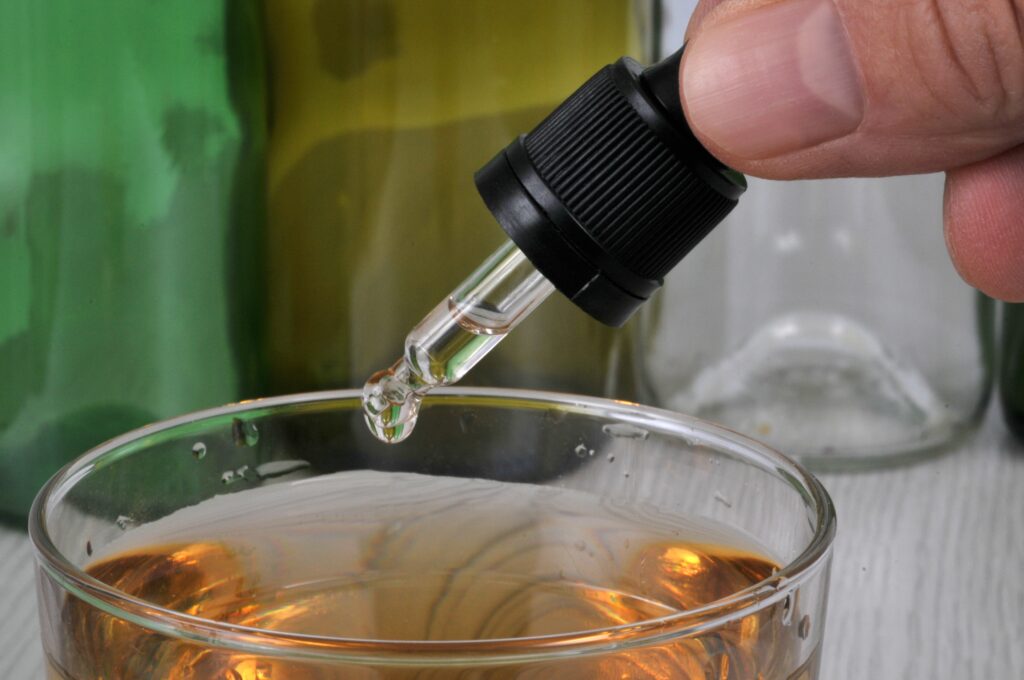
- Always measure with a syringe — never caps or mouthfuls
- Avoid alcohol and all other depressants
- Wait 2–3 hours between doses
- Use with trusted friends who can intervene if needed
- Know the signs of overdose
- If someone is unconscious, place them in recovery position and never leave them alone
The Hidden Problem: Why GHB Deaths Are Underreported
Perhaps the most alarming fact is that GHB does not show up on standard toxicology tests.
Once metabolized, it becomes water and carbon dioxide — leaving no trace.
This means:
- Many G-related deaths are mislabeled
- People using daily can avoid detection
- Public health data severely underestimates the issue
- Funding for research and harm-reduction is harder to obtain
Despite this invisibility, GHB continues to play a major role in substance-related fatalities within the LGBTQ+ community.
If GHB Feels Like the Only Way to Connect — You’re Not Alone
Pleasure, intimacy, confidence, belonging — these are basic human needs. If G feels like the path to those experiences, that’s worth exploring with care and compassion.
You deserve connection and joy that doesn’t endanger your life.
La Fuente Hollywood Treatment Center Can Help
Withdrawal from frequent or heavy GHB use is not something to go through alone. It can be medically dangerous and may involve:
- seizures
- hallucinations
- delirium
- cardiovascular instability
That’s why medically supervised detox is essential.
Levels of care offered at La Fuente Hollywood Treatment Center
- Medically Monitored Detox
- Residential Treatment
- PHP/IOP Outpatient Programs
- Individual + Group Gherapy
- LGBTQ+ Affirming Care At Every Level
If you or someone you love is struggling with GHB or any other substance, we’re here to help — without judgment, shame, or stigma.
Your life matters. Your story matters. And recovery is ABSOLUTE POSSIBLE.
La Fuente Hollywood Treatment Center: 323-464-2947